
Industries we serve

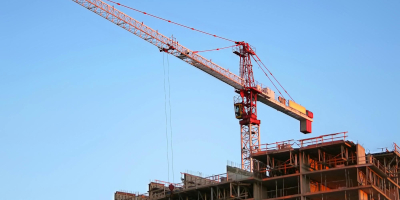
The Construction Industry

GFRP is an advanced material that excels in high-moisture, chemical-exposure, or coastal environments where steel tends to degrade. It offers improved durability, reduced maintenance, and better cost efficiency over the long term. GFRP’s impressive strength-to-weight ratio makes it easier to handle and install, saving time and reducing the likelihood of future repairs.

The Transport Network Industry

GFRP’s corrosion resistance and lightweight nature make it ideal for transport infrastructure like roads, rail, and bridges. It enhances durability and reduces maintenance, while also being easier to transport and install.
The Marine Structures Industry

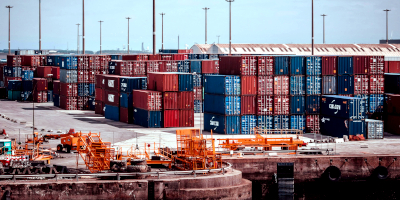
In saltwater environments, GFRP is perfect for port and harbour infrastructure, offering superior corrosion resistance and minimal maintenance needs, ensuring the longevity of marine structures.

The Mining Industry

In harsh conditions, GFRP maintains its structural integrity, offering a durable and cost-effective material for mining infrastructure. Its resistance to corrosion and impact reduces maintenance and replacement costs.
The Sanitation and Water Industry

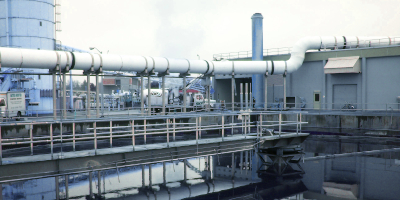
GFRP offers a robust, low-maintenance solution for wastewater systems, reducing lifecycle costs and ensuring long-term performance in moisture-rich and chemically aggressive environments.

The Medical and Pharmaceutical Industry

NuBar’s corrosion resistance and hygienic properties make it an ideal material for medical and pharmaceutical components, providing durability and design flexibility while ensuring safety and ease of maintenance.
The Technology Infrastructure Industry

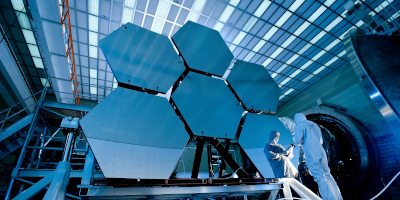
In data centres and other tech infrastructure, GFRP offers protection from electromagnetic interference, corrosion and temperature fluctuations, while also being lightweight and fire-resistant.

The Wind Energy Industry

GFRP plays a critical role in wind turbine foundations, providing lightweight, corrosion-resistant and fatigue-resistant structures for optimal performance in harsh environmental conditions.

The Aviation Industry

In airport infrastructure, GFRP’s corrosion resistance, lightweight nature and non-conductivity make it perfect for runways and other critical systems, ensuring safety and durability.

The Construction Industry

Glass Fiber Reinforced Polymer (GFRP) is an advanced material that excels in environments with high moisture, chemical exposure, or coastal conditions where steel tends to degrade.

Unlike steel, GFRP is rust-resistant, extending the life of structures and reducing maintenance costs. Its impressive strength-to-weight ratio makes it lighter than steel, facilitating easier handling and installation, resulting in significant labour savings and faster project completion.

GFRP’s durability also lowers the frequency of repairs over time, making it a cost-effective choice for projects prioritising long-term reliability. Beyond its structural advantages, GFRP offers natural thermal and electrical insulation, ensuring safety in infrastructure projects that require resistance to heat and electricity.

Additionally, it is highly resistant to chemical exposure and moisture, making it ideal for wastewater facilities and coastal developments. Its non-magnetic properties reduce interference with sensitive equipment in critical infrastructures like hospitals and airports, further demonstrating its versatility in modern construction projects.

The Transport Network Industry

GFRP is increasingly used in roads, rail, and bridges due to its ability to extend the lifespan of infrastructure while reducing maintenance needs.

As a corrosion-resistant material, GFRP is ideal for environments subject to constant moisture, de-icing salts, or chemicals, as it significantly outperforms traditional steel and concrete in these harsh conditions. This corrosion resistance not only ensures longer-lasting infrastructure but also reduces repair and replacement costs over time. The material’s lightweight nature further contributes to reduced transport and handling costs during construction, especially in remote locations.

Its high strength-to-weight ratio makes it possible to construct durable, yet lighter, components, allowing for faster and more cost-effective installation. GFRP also helps future-proof critical transport networks, reducing long-term maintenance cycles and ensuring safer and more reliable infrastructure that can withstand the evolving demands of modern transportation systems.

The Marine Structures Industry

Glass Fiber Reinforced Polymer (GFRP) is the material of choice for marine structures, particularly in ports and harbours. Its exceptional corrosion resistance is crucial in saltwater environments where traditional materials like steel and concrete degrade rapidly. GFRP’s longevity and minimal maintenance needs make it ideal for applications such as marine fenders, pilings, and decking.

Resistant to moisture, UV radiation, and seawater chemicals, it ensures that port infrastructure remains durable, even in the harshest conditions. The environmental benefits of GFRP are also notable, as it can be produced using recycled materials, supporting sustainability goals in marine projects.

Moreover, GFRP’s dimensional stability ensures it won’t expand or contract significantly with temperature changes, maintaining structural integrity. Its non-conductive properties offer added safety for electrical components exposed to seawater, making GFRP a reliable, eco-friendly, and durable solution for the global marine infrastructure market.

The Mining Industry

GFRP is highly beneficial in the mining and quarrying industries, where exposure to harsh chemicals, moisture, and abrasive materials is common.

Unlike metals that corrode over time, GFRP maintains its structural integrity even in challenging environments. Its high strength-to-weight ratio allows for the construction of robust yet lightweight structures such as piping systems, storage tanks, and protective enclosures.

GFRP is resistant to corrosion and impact, making it ideal for mining operations where heavy mechanical stresses are frequent. In addition to its strength, GFRP is an excellent electrical insulator, providing protection against conductive materials found in mining environments.

The material’s resistance to UV radiation and temperature fluctuations ensures that it can withstand the outdoor conditions typical in mining sites. GFRP’s durability and longevity reduce the need for frequent replacements, lowering maintenance costs and improving operational efficiency in the mining sector.

The Sanitation and Water Industry

In the water, wastewater, and sanitation industries, GFRP is a superior alternative to steel and concrete, particularly in environments rich in moisture and chemicals.

Unlike metals, GFRP does not rust, ensuring longevity and reliability in sewer systems, treatment plants, and other infrastructure exposed to aggressive substances. Its excellent corrosion resistance reduces lifecycle costs while improving system performance.

The material’s impressive strength-to-weight ratio makes it ideal for constructing durable structures such as tanks, piping systems, and clarifiers. Additionally, GFRP’s smooth internal surface reduces sediment buildup, improving hydraulic performance.

It can be moulded into various shapes, offering engineering flexibility for complex sanitation projects. GFRP’s non-conductive nature also enhances safety in water systems, particularly those with electrical components. Sustainable, recyclable, and durable, GFRP ensures the development of efficient and long-lasting sanitation infrastructure that supports the growing global demand for reliable water management systems.

The Medical and Pharmaceutical Industry

GFRP is highly resistant to corrosion, making it suitable for environments exposed to chemicals and cleaning agents. Its corrosion resistance ensures that equipment and infrastructure maintain their integrity over time, reducing the risk of contamination.

The smooth surface finish of GFRP makes it easier to clean and sterilise, preventing the growth of bacteria and ensuring a high standard of hygiene. GFRP is also resistant to a wide range of chemicals, including disinfectants and solvents, which ensures that it can withstand the demanding conditions of medical facilities and pharmaceutical production areas.

Its ability to be moulded into complex shapes offers design flexibility for custom equipment, while its non-conductive properties provide enhanced safety for electrical components. GFRP’s durability and low maintenance requirements make it an excellent choice for critical applications in these industries.

The Technology Infrastructure Industry

In the technology infrastructure sector, GFRP offers significant advantages, particularly in data centres where the protection of sensitive electronic equipment is critical. GFRP provides excellent electromagnetic interference shielding, essential for ensuring that data transmission systems are not disrupted by external electromagnetic fields.

Its corrosion resistance ensures the longevity of infrastructure in environments with fluctuating humidity and temperature, reducing the risks associated with metal degradation. GFRP’s dimensional stability across a wide range of temperatures ensures optimal conditions for electronic equipment, while its non-conductive properties prevent electrical shorts.

In addition, GFRP is lightweight yet durable, offering flexibility in design for custom solutions such as panels and enclosures. The material is also fire-resistant, a crucial safety feature for ensuring data centre infrastructure meets safety standards. GFRP’s minimal maintenance needs and long lifespan make it a more cost-effective, reliable, and sustainable option compared to traditional materials in technologically demanding environments.

The Wind Energy Industry

GFRP plays a vital role in the renewable energy sector, particularly in the construction of wind turbine foundations. Its high strength-to-weight ratio allows for the creation of strong yet lightweight structures, reducing material use and simplifying transportation and installation.

GFRP’s corrosion resistance ensures that foundations remain stable and intact, especially in coastal and offshore locations where traditional materials like steel would corrode over time.

Additionally, GFRP’s fatigue resistance helps it withstand the repeated loading cycles experienced by wind turbines without significant degradation. Its high flexural strength enables it to resist bending and deformation under dynamic loads such as wind or seismic forces, ensuring the stability and longevity of the turbine foundations.

GFRP’s mouldability also offers design flexibility, allowing for more efficient layouts that optimise load-bearing capacity. These advantages, combined with its ability to perform in extreme temperatures, make GFRP an ideal choice for supporting the growth of wind energy infrastructure.

The Aviation Industry

GFRP is increasingly used in airport infrastructure due to its corrosion resistance, especially in environments exposed to de-icing salts and other corrosive substances.

Unlike traditional steel, GFRP does not rust, making it an excellent choice for runways and other critical airport infrastructure where durability and performance are essential.

Its lightweight nature does not compromise its strength, allowing it to withstand the heavy loads imposed by aircraft during landings and takeoffs.

Additionally, GFRP is non-conductive and transparent to electromagnetic waves, which is beneficial for ensuring that radio frequency signals for navigation and communication systems are not interfered with. The material’s flexibility is also advantageous, allowing for prefabrication and a streamlined construction process, crucial for minimising downtime during runway construction or maintenance.

GFRP’s ability to distribute loads evenly and resist cracking or rutting extends the lifespan of runways and enhances safety for aviation operations.